Agentic AI for Engineers
Build Resilient AI Systems on top of Foundational LLMs


Companies Hiring AI Engineers
OUR IMPACT
Your Transformation Path
From first principles of LLMs to production grade agentic systems
0–10+ years of experience
Whether you are moving from a service company to a product company or AI lab, going past prompt engineering to build real agentic systems, or a lead who needs architectural depth to design agents that ship to production.
Data Scientists, Data Engineers, Quant ML, Researchers & Others
Who are comfortable with programming, ready to move past model training and notebooks into building agentic systems that orchestrate tools, memory, and multi-step reasoning in production.

Learning Journey
Agentic AI
Building Production-Grade AI Systems

Outcome
AI-ML Engineer
Design & ship full stack Agentic AI system end-to-end
Companies that hire AI-ML Engineers








Ecosystem Designed for Learning
Move from just calling APIs to understanding the architectures behind them.
Multi-Provider LLM Gateway
DSPy Prompt Optimizer
Code Execution Agent
Personal Knowledge Assistant
Production Document Intelligence System

Autonomous Research Agent
Agent Evaluation Suite
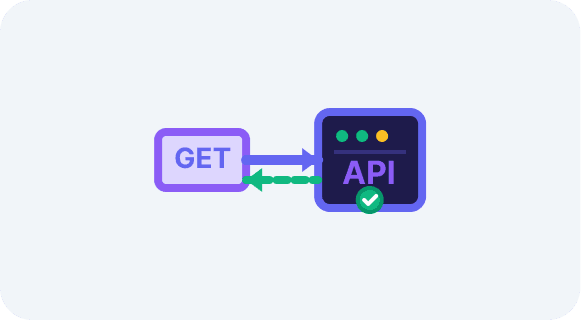
Production-Ready Agent API

Autonomous Debugging Agent
Capstone Project You'll Build
Apply everything you've learned to build production-grade AI systems.
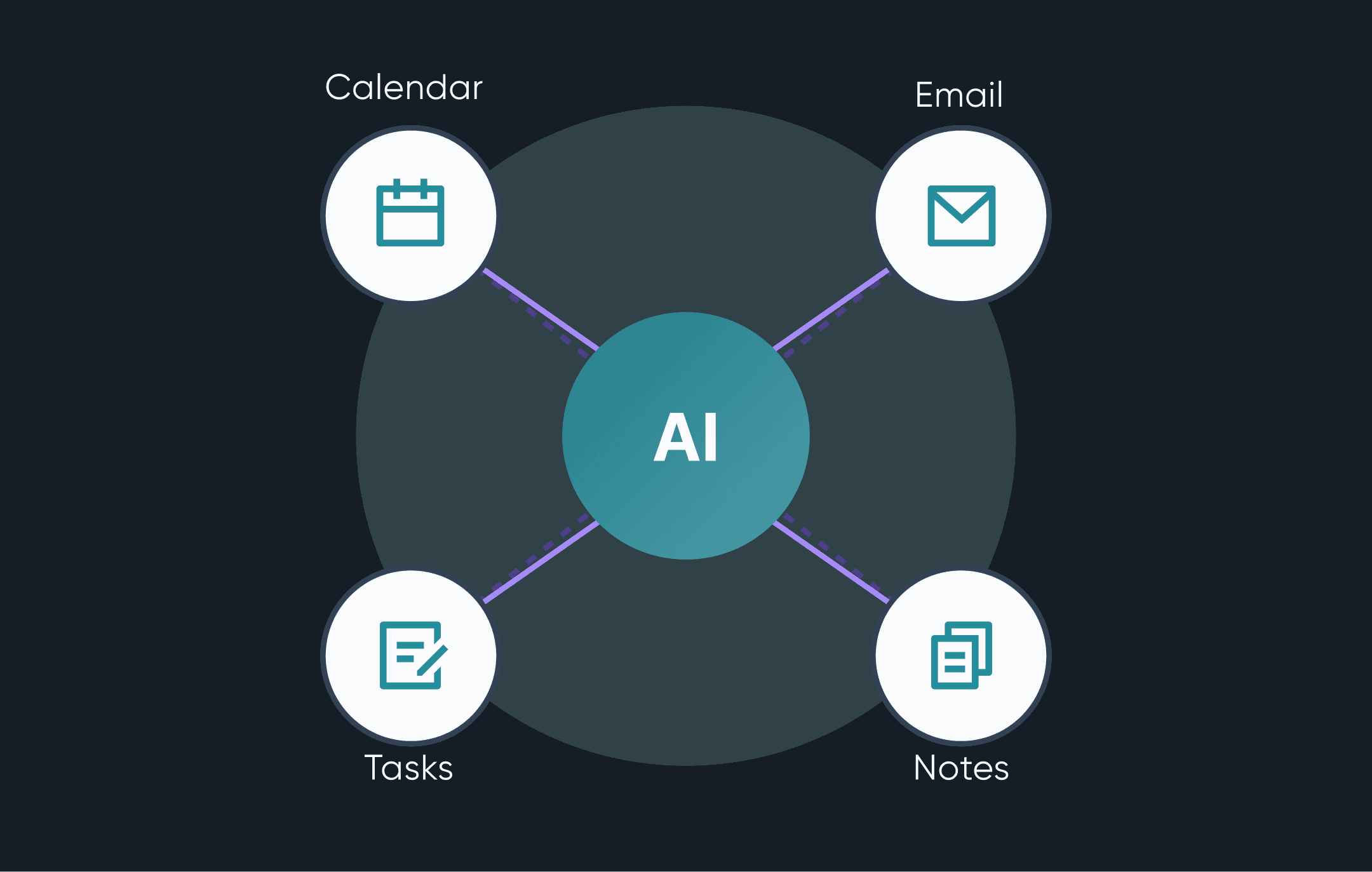
Multi-Agent Personal Productivity Assistant
An intelligent system of AI agents that plans, schedules, executes tasks, and integrates with tools like calendar, email, and workspace apps.
Meet the Mentors
Learn from the top 0.1% of tech mentors
Cohort Instructor


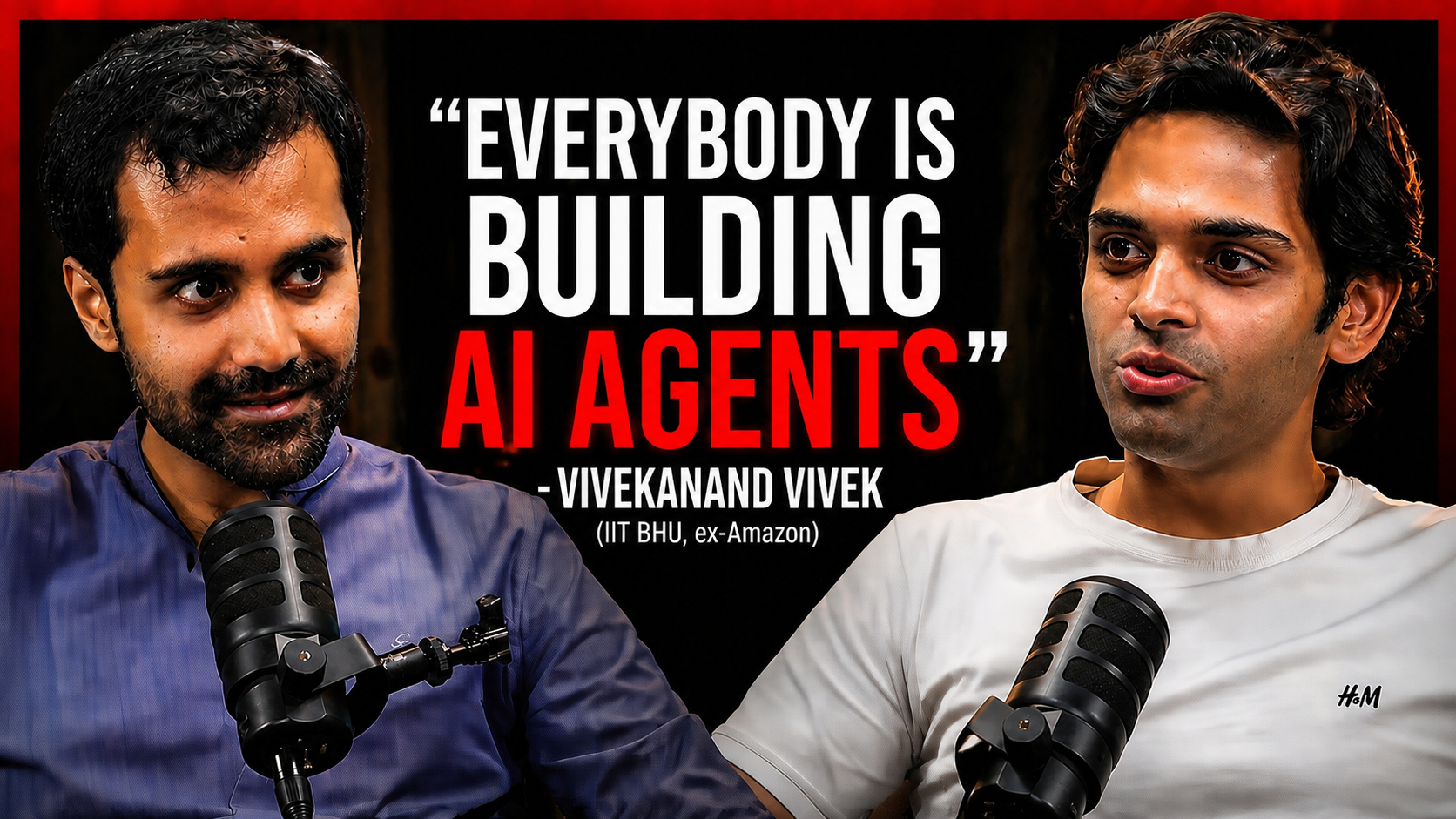
Vivekanand Vivek
Advisors & Guest Speakers

Harsh Gugale

Deepak Gupta

Anoop Garg

Biren Goyal
Impact Stories from Past Cohorts

Krishan Kumar Pareek
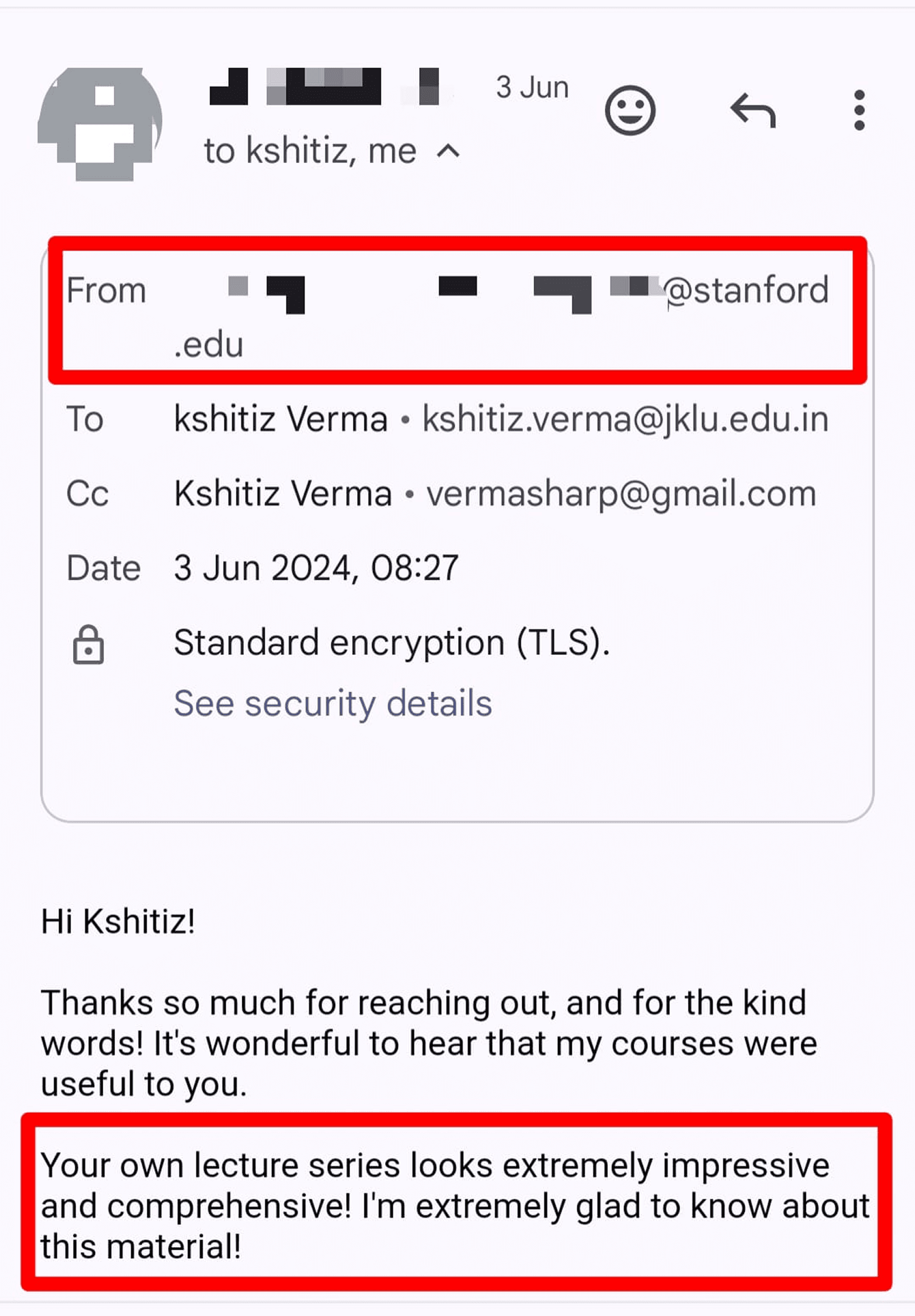
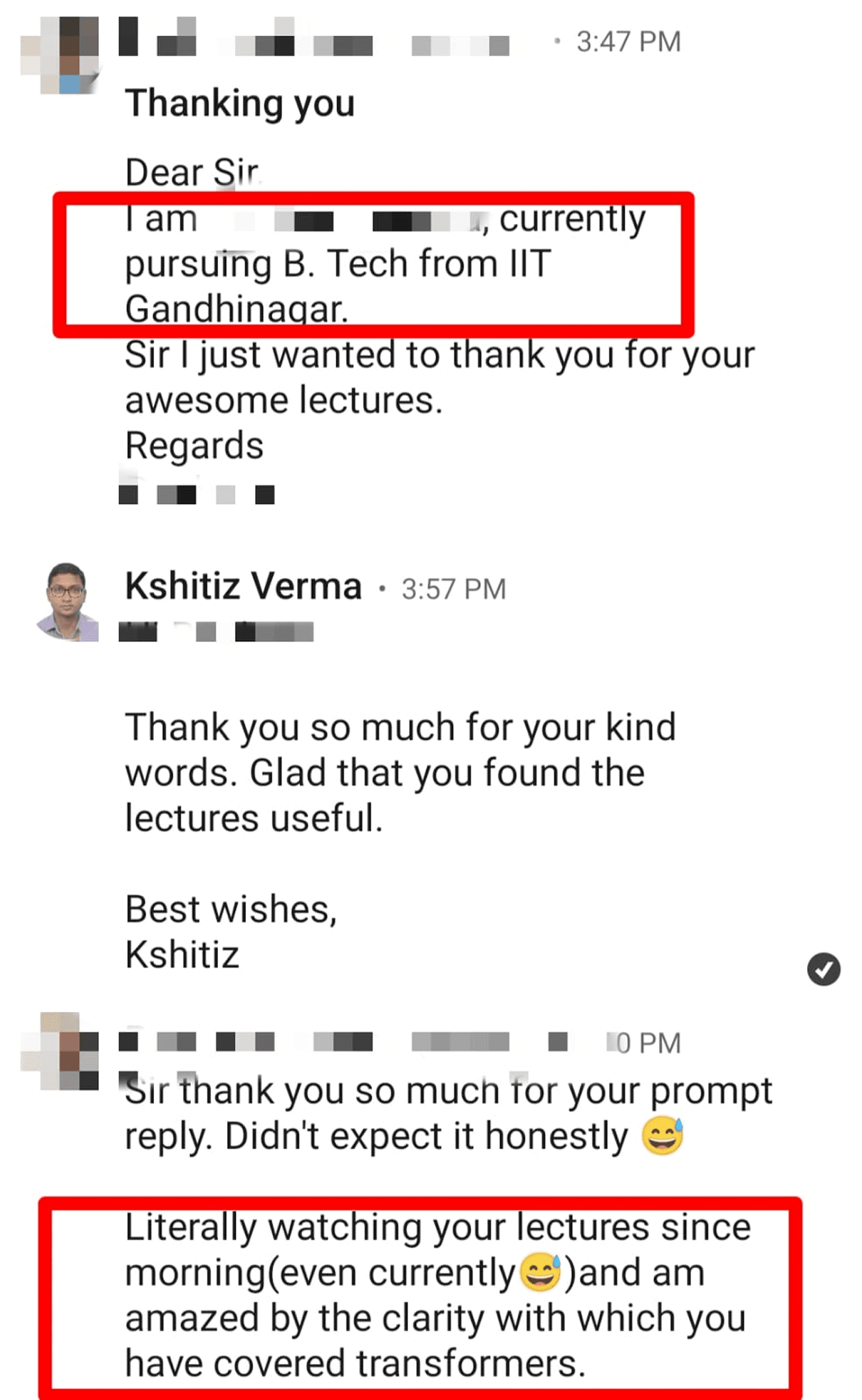
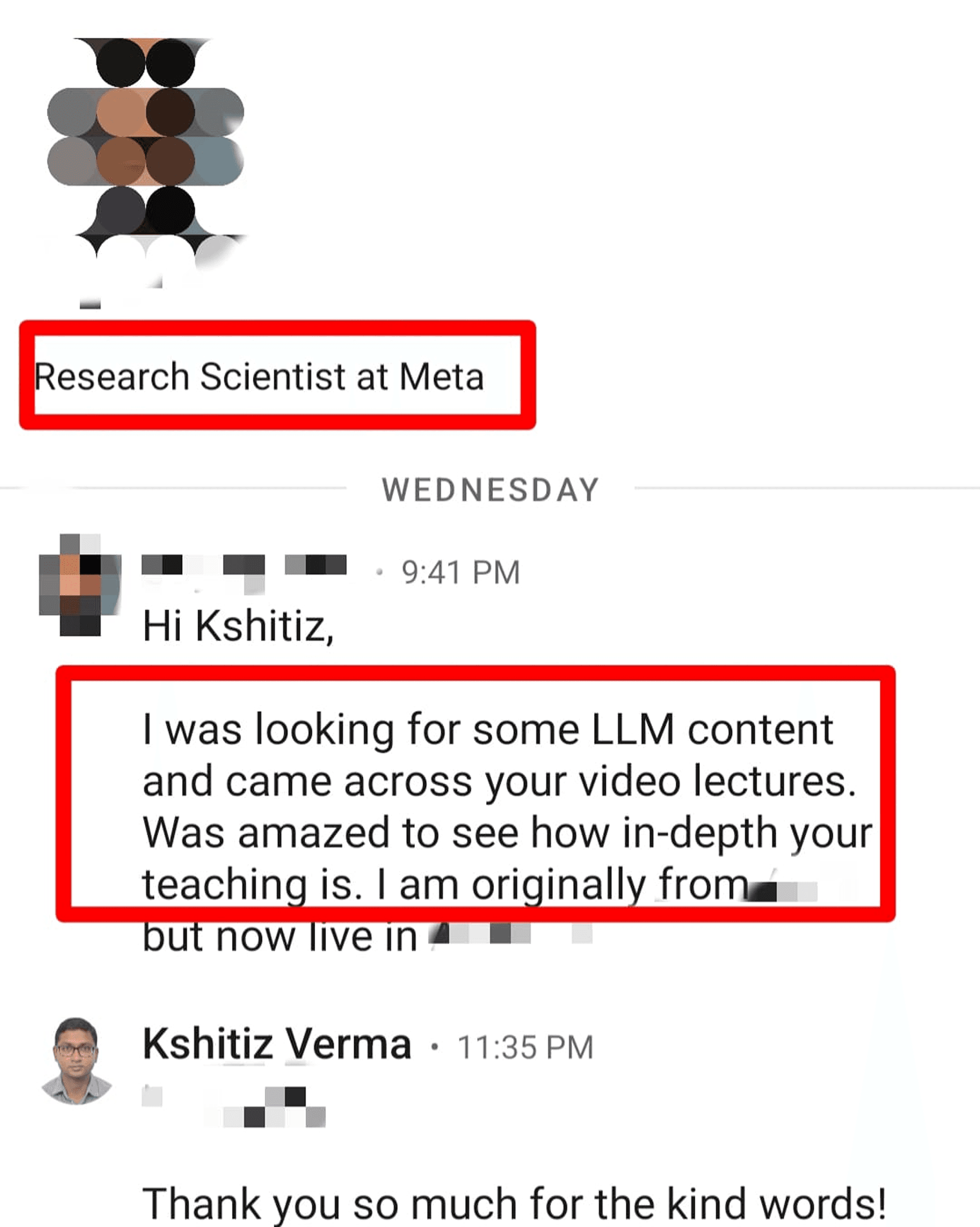
MCP was my favorite, it showed how simple yet powerful automation can be. It boosted my confidence that complex systems are achievable with the right setup. Prompt engineering was eye-opening; I learned strategies like examples, step-by-step, and “think” prompts. Practical tips, like splitting chats to manage context and cost, changed my AI habits. Breakout rooms and live interactive sessions enriched the learning experience.
Tushar Mahajan
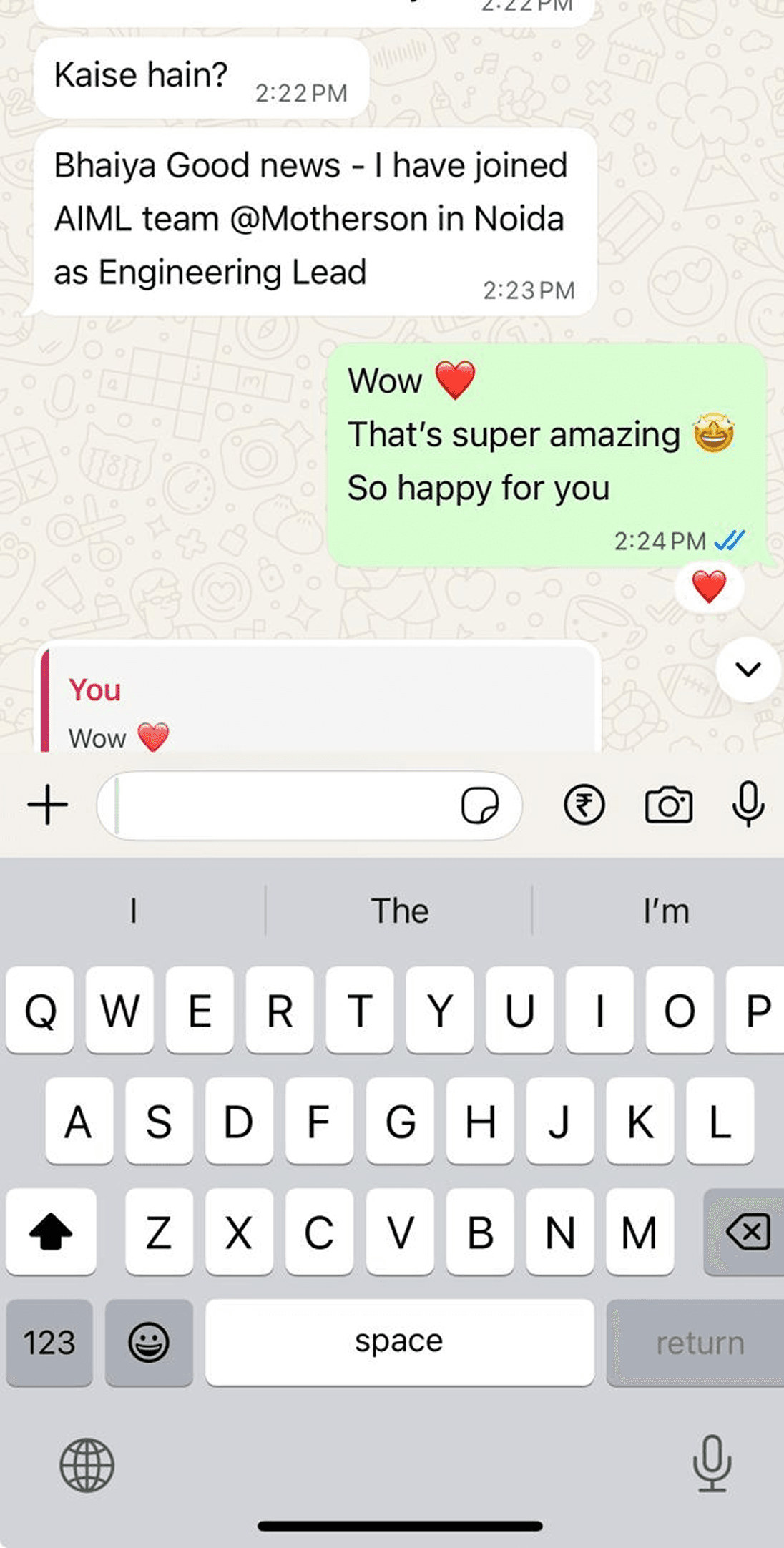
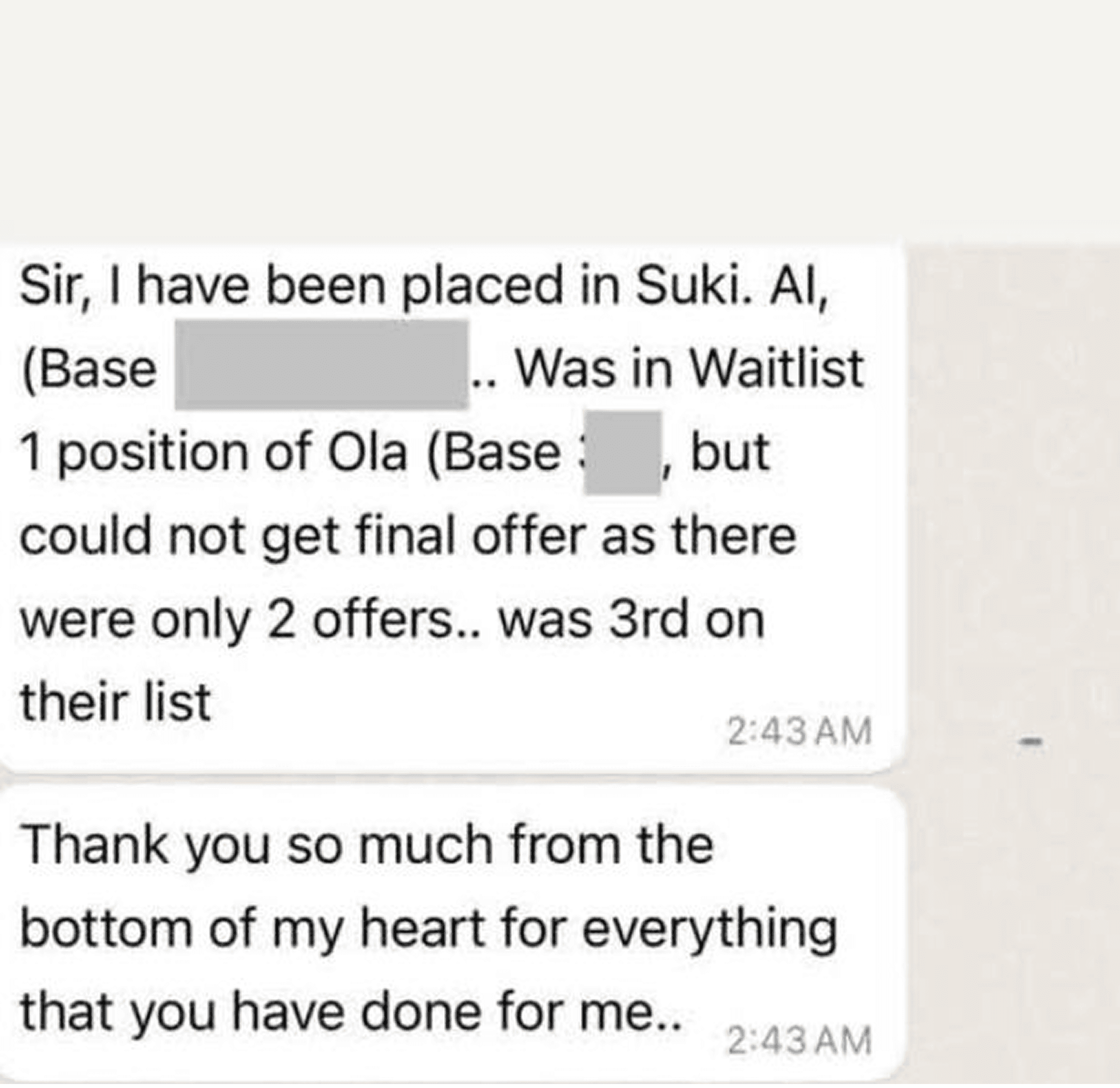
I enrolled in this program to learn how to apply AI models in real projects. While I had theory, I lacked confidence in execution. The blend of AI and software engineering made it practical and doable. Thanks to this, I built an OnCall Agent at production scale, something I never imagined before!

Gagan Agrawal
I joined the program for a roadmap on learning the fundamentals, as keeping up with new AI tools becomes impossible. I loved the concept of breakout rooms, hands-on opportunities while sticking to fundamentals. I now feel more confident in experimenting and creating something using AI, while I still keep learning new things

Tashvik Shrivastava
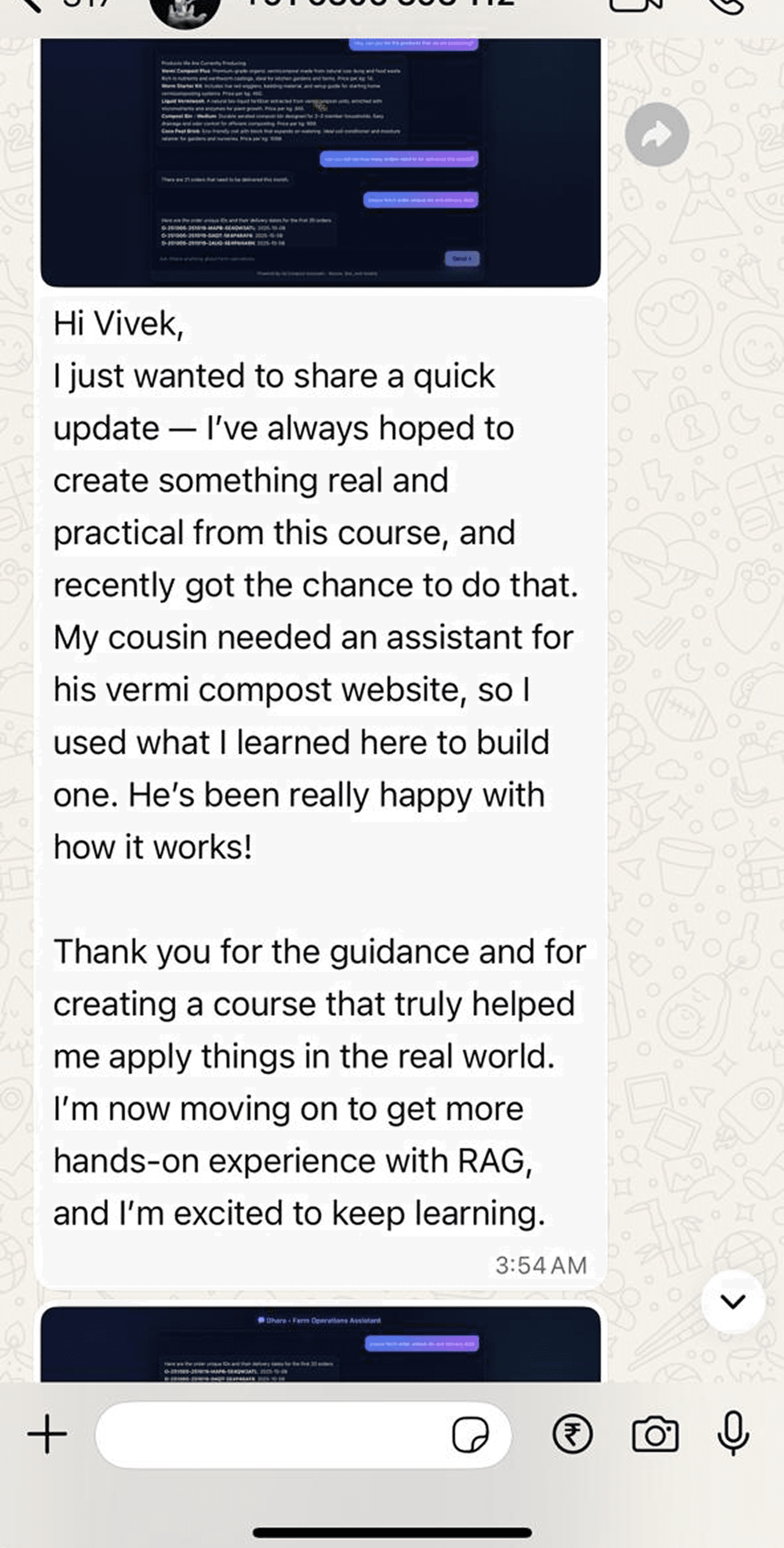
My intention behind joining the program was to strengthen my AI foundations and learn structured ways to build real-world systems. Clear sessions with Vivek Sir and hands-on projects made theory practical. The focus on engineering principles and best practices gave me clarity, skills, and confidence.

Chetan Verma
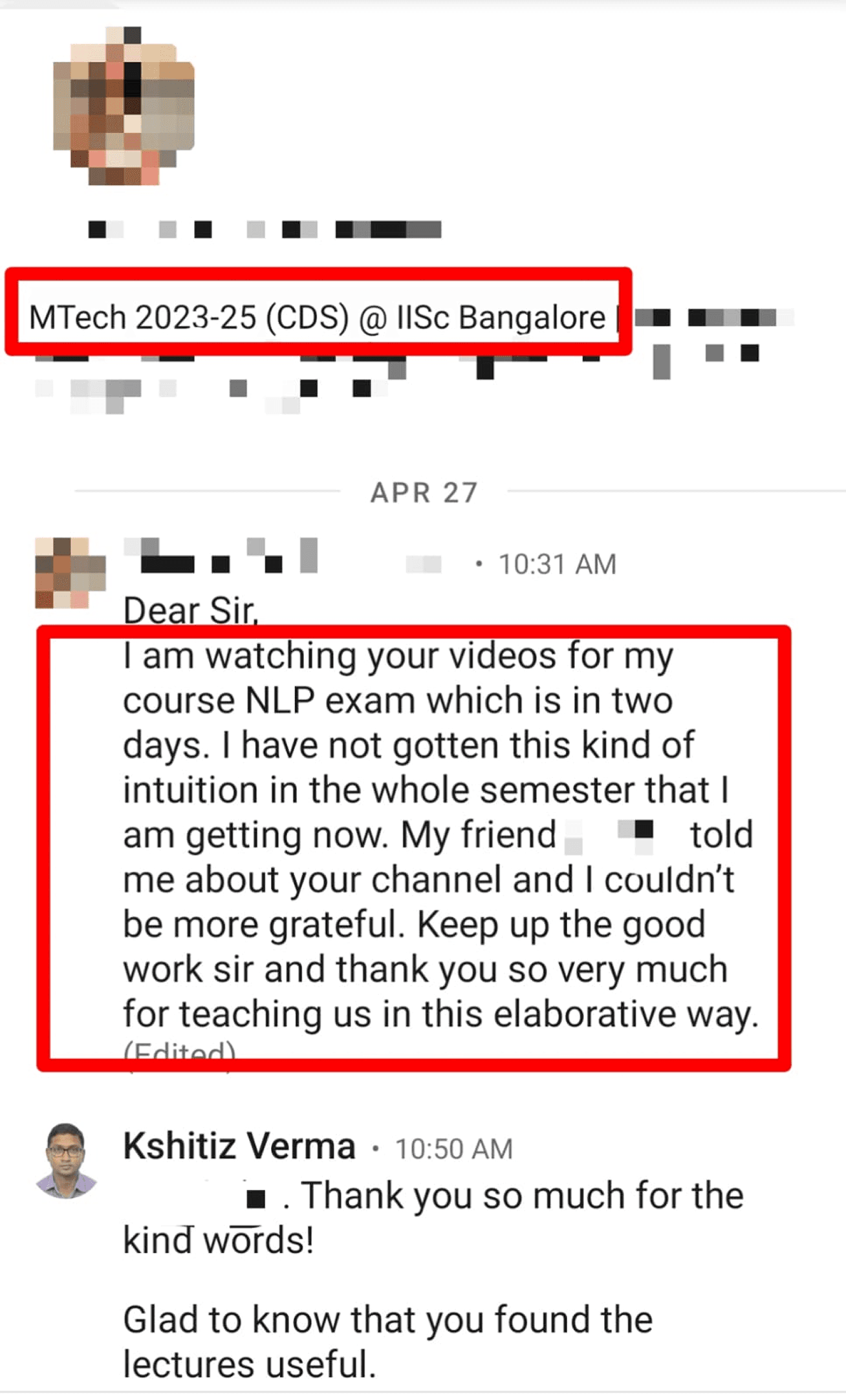
Thanks to the remarkable course of AI Engineering, I am now skilled at navigating complex architectural challenges, evaluating multiple solutions with precision, and making informed decisions by weighing their respective advantages and disadvantages.
Krishan Kumar Pareek
MCP was my favorite, it showed how simple yet powerful automation can be. It boosted my confidence that complex systems are achievable with the right setup. Prompt engineering was eye-opening; I learned strategies like examples, step-by-step, and “think” prompts. Practical tips, like splitting chats to manage context and cost, changed my AI habits. Breakout rooms and live interactive sessions enriched the learning experience.
Tushar Mahajan
I enrolled in this program to learn how to apply AI models in real projects. While I had theory, I lacked confidence in execution. The blend of AI and software engineering made it practical and doable. Thanks to this, I built an OnCall Agent at production scale, something I never imagined before!
Gagan Agrawal
I joined the program for a roadmap on learning the fundamentals, as keeping up with new AI tools becomes impossible. I loved the concept of breakout rooms, hands-on opportunities while sticking to fundamentals. I now feel more confident in experimenting and creating something using AI, while I still keep learning new things
Tashvik Shrivastava
My intention behind joining the program was to strengthen my AI foundations and learn structured ways to build real-world systems. Clear sessions with Vivek Sir and hands-on projects made theory practical. The focus on engineering principles and best practices gave me clarity, skills, and confidence.
Chetan Verma
Thanks to the remarkable course of AI Engineering, I am now skilled at navigating complex architectural challenges, evaluating multiple solutions with precision, and making informed decisions by weighing their respective advantages and disadvantages.
Krishan Kumar Pareek
MCP was my favorite, it showed how simple yet powerful automation can be. It boosted my confidence that complex systems are achievable with the right setup. Prompt engineering was eye-opening; I learned strategies like examples, step-by-step, and “think” prompts. Practical tips, like splitting chats to manage context and cost, changed my AI habits. Breakout rooms and live interactive sessions enriched the learning experience.
Tushar Mahajan
I enrolled in this program to learn how to apply AI models in real projects. While I had theory, I lacked confidence in execution. The blend of AI and software engineering made it practical and doable. Thanks to this, I built an OnCall Agent at production scale, something I never imagined before!
Gagan Agrawal
I joined the program for a roadmap on learning the fundamentals, as keeping up with new AI tools becomes impossible. I loved the concept of breakout rooms, hands-on opportunities while sticking to fundamentals. I now feel more confident in experimenting and creating something using AI, while I still keep learning new things
Tashvik Shrivastava
My intention behind joining the program was to strengthen my AI foundations and learn structured ways to build real-world systems. Clear sessions with Vivek Sir and hands-on projects made theory practical. The focus on engineering principles and best practices gave me clarity, skills, and confidence.
Chetan Verma
Thanks to the remarkable course of AI Engineering, I am now skilled at navigating complex architectural challenges, evaluating multiple solutions with precision, and making informed decisions by weighing their respective advantages and disadvantages.
Krishan Kumar Pareek
MCP was my favorite, it showed how simple yet powerful automation can be. It boosted my confidence that complex systems are achievable with the right setup. Prompt engineering was eye-opening; I learned strategies like examples, step-by-step, and “think” prompts. Practical tips, like splitting chats to manage context and cost, changed my AI habits. Breakout rooms and live interactive sessions enriched the learning experience.
Tushar Mahajan
I enrolled in this program to learn how to apply AI models in real projects. While I had theory, I lacked confidence in execution. The blend of AI and software engineering made it practical and doable. Thanks to this, I built an OnCall Agent at production scale, something I never imagined before!
Gagan Agrawal
I joined the program for a roadmap on learning the fundamentals, as keeping up with new AI tools becomes impossible. I loved the concept of breakout rooms, hands-on opportunities while sticking to fundamentals. I now feel more confident in experimenting and creating something using AI, while I still keep learning new things
Tashvik Shrivastava
My intention behind joining the program was to strengthen my AI foundations and learn structured ways to build real-world systems. Clear sessions with Vivek Sir and hands-on projects made theory practical. The focus on engineering principles and best practices gave me clarity, skills, and confidence.
Chetan Verma
Thanks to the remarkable course of AI Engineering, I am now skilled at navigating complex architectural challenges, evaluating multiple solutions with precision, and making informed decisions by weighing their respective advantages and disadvantages.
Krishan Kumar Pareek
MCP was my favorite, it showed how simple yet powerful automation can be. It boosted my confidence that complex systems are achievable with the right setup. Prompt engineering was eye-opening; I learned strategies like examples, step-by-step, and “think” prompts. Practical tips, like splitting chats to manage context and cost, changed my AI habits. Breakout rooms and live interactive sessions enriched the learning experience.
Tushar Mahajan
I enrolled in this program to learn how to apply AI models in real projects. While I had theory, I lacked confidence in execution. The blend of AI and software engineering made it practical and doable. Thanks to this, I built an OnCall Agent at production scale, something I never imagined before!
Gagan Agrawal
I joined the program for a roadmap on learning the fundamentals, as keeping up with new AI tools becomes impossible. I loved the concept of breakout rooms, hands-on opportunities while sticking to fundamentals. I now feel more confident in experimenting and creating something using AI, while I still keep learning new things
Tashvik Shrivastava
My intention behind joining the program was to strengthen my AI foundations and learn structured ways to build real-world systems. Clear sessions with Vivek Sir and hands-on projects made theory practical. The focus on engineering principles and best practices gave me clarity, skills, and confidence.
Chetan Verma
Thanks to the remarkable course of AI Engineering, I am now skilled at navigating complex architectural challenges, evaluating multiple solutions with precision, and making informed decisions by weighing their respective advantages and disadvantages.
Krishan Kumar Pareek
MCP was my favorite, it showed how simple yet powerful automation can be. It boosted my confidence that complex systems are achievable with the right setup. Prompt engineering was eye-opening; I learned strategies like examples, step-by-step, and “think” prompts. Practical tips, like splitting chats to manage context and cost, changed my AI habits. Breakout rooms and live interactive sessions enriched the learning experience.
Tushar Mahajan
I enrolled in this program to learn how to apply AI models in real projects. While I had theory, I lacked confidence in execution. The blend of AI and software engineering made it practical and doable. Thanks to this, I built an OnCall Agent at production scale, something I never imagined before!
Gagan Agrawal
I joined the program for a roadmap on learning the fundamentals, as keeping up with new AI tools becomes impossible. I loved the concept of breakout rooms, hands-on opportunities while sticking to fundamentals. I now feel more confident in experimenting and creating something using AI, while I still keep learning new things
Tashvik Shrivastava
My intention behind joining the program was to strengthen my AI foundations and learn structured ways to build real-world systems. Clear sessions with Vivek Sir and hands-on projects made theory practical. The focus on engineering principles and best practices gave me clarity, skills, and confidence.
Chetan Verma
Thanks to the remarkable course of AI Engineering, I am now skilled at navigating complex architectural challenges, evaluating multiple solutions with precision, and making informed decisions by weighing their respective advantages and disadvantages.
Why Programming Pathshala?
Most Programs optimise for breadth, placement numbers and surface level tools;
we optimise for depth, real outcomes & first principles
Dimension
Agentic AI Bootcamps
PPA’s Agentic AI Mastery
AI
PPA
Tool Calling & Agentic Loops (ReAct, parallel/multi-hop)
Frameworks (LangGraph, LangChain)
MCP & A2A Protocols

RAG - Production Grade (HyDE, GraphRAG, multi-modal, RAGAS)
Agent Memory Architecture
(semantic/episodic/procedural, Mem0, cross-session)
Multi-Agent Systems & State Management
Agent Observability & Eval (LangSmith, LLM-as-judge, A/B)
Production Deployment (FastAPI, async, queues, containers)
Voice & Streaming AI (Whisper, TTS, VAPI)
Reasoning Models & Planning (o1/o3/R1)
Duration
4-8 weeks
2 Months
In today's AI economy, calling APIs might get you 2X, but understanding
the architecture is what gets you 10X.
Career Opportunities
AI native companies don’t hire engineers who wrap APIs. They hire engineers who can reason about what’s inside them
Salary gap — traditional SDE vs ML/ AI engineer, India 2025
Across three career stages, mid-point of reported ranges
₹6 LPA
0-2
₹13 LPA
3-6
₹28 LPA
7+
Traditional SDE (Experience wise)
₹9 LPA
0-2
₹22 LPA
3-6
₹50+ LPA
7+
AI-ML Engineer (Experience wise)
Skills you will develop

Generative AI for Engineers
RAG
Generative AI
Large Language Models
E2B Sandbox
Google A2A
Finetuning & Distillation
Agentic AI Architecture
Why Join the Waitlist Now?
Most Engineers can demo an agent. Few can ship one.
Free masterclasses on AI engineering (agents, RAG, fine-tuning, evals)
Access to the PPA AI community — see what current cohort folks are building and discussing.
Priority seat + early-bird pricing when enrollment opens.
2 Live Classes Every Week
Evening sessions 9-10:30 PM IST, designed for working professionals
1 Year Access to Recordings
10,000+ Alumni Community
Access to a network of engineers who have transitioned into AI Engineering
Crack AI/ML Engineering Interviews — with architectural depth that stands out in technical rounds
Build an AI Product or Startup Independently — from model selection to deployment, without relying on off-the-shelf wrappers
Deep insight into Agent Architecture — learn to build resilient production grade AI Systems
Cut your API bills. Build engineers who think in systems.
Teams that understand model internals make better architecture calls, ship more resilient AI, and reduce vendor dependency.
Need a fully custom training program designed around your team's existing stack, or want to run this as an internal bootcamp with your branding? We'll design it from scratch.
FAQs
Common Questions
What is AI Engineering?
AI Engineering is the disciplined focused on designing, building, and integrating AI solutions-combining software engineering, AI technologies, and an understanding of user and business needs.
Is prior Programming, AI or machine learning exprenice required?
No prior experince is required-just a basic know-how of programming and strong interest in building intelligent systems and solving real-world problems.
Do I need to know advanced math?
While some background in math is helpful (especially linear algebra, probability, and statistics), the course emphasizes practical engineering-building, integrating and orchestrating AI systems.
How does AI Engineering differ from traditional software engineering?
It blends traditional coding and system design with AI-specific tools, collaborative workflows, and rigorous verification of AI results. The focus is as much on orchestrating and validation as on coding itself.
Will this course teach me both Programming and AI concepts?
You'll gain practical programming skills alongside hands-on experince with modern AI tools, models, and frameworks.
Are team projects a part of the course?
Yes, real-world teamwork is emphasized through collaborative projects where you'll integrate engineering, AI, and product thinking.
Is there a focus on ethics and responsible AI?
Absolutely. Responsible AI deployment, ethical considerations, and system transparency are woven into discussions and assignments.
What carrer paths does AI Engineering open up?
Graduates can work as AI Engineers, ML Engineers, Data Scientists, Product Engineers for AI solutions, or even transition into technical leadrship and product management focused on AI-powered products.